
Liver Detox Diet
The Diet
You probably just want to know what the rules are and how to get started.
You start the day with the juice of half a lemon squeezed into a glass of water. I have no idea whether this actually does anything but it is suppose to get your metabolism started and it makes a refreshing substitute for the morning tea/coffee and goes toward your water intake. You must consume 2 shakes a day – breakfast and lunch. These shakes primarily consist of protein, fruit, and resistant starch. Dinner is a healthy meal of the mediterranean diet variety. There is no sugar (other than 1 cup of fruit per day), no alcohol (zip, zero, nack all in fact), no coffee (but that’s up for debate), no fried foods, no dairy (sorry but butter, cheese, yoghurt, and milk are all out), and finally no carbs that will raise blood sugar (which includes: bread, pasta, soda, juice, white rice, cereal, cakes, crackers, etc). Oils are limited to olive oil and avocado oil and they are not used for deep frying. And you will need to increase your intake of water. Water is vital for metabolism of nitrogen and protein regulation, ie. when protein is broken down it releases nitrogen, which can only be eliminated by the kidneys via urine. So it makes sense that if you are increasing your protein intake you must also increase your water intake.
The diet may sounds very restrictive but it’s not so bad. Since you are only consuming shakes during the day, you just stick to the formula, it means that you don’t have to think about what you’re going to eat next and it’s easy to avoid foods when they don’t have a place in your meal plan. Menu planning is limited to deciding which fruit you’ll put in your shake and an evening meal, and there are lots of options to create a healthy filling dinner. Chug down some glasses of water between meals and you’re set. The idea of this diet is to rest your liver so that it can clear out the fat build-up and toxins in order to heal itself, so try not to cheat. I would not suggest that you drop your medication, but if you can, try to avoid unprescribed medicines such as vitamins and herbal supplements. Certain medicines taken at the same time can cause damage to your liver, even if you can buy them without a prescription – you’ll have to do your own research here.
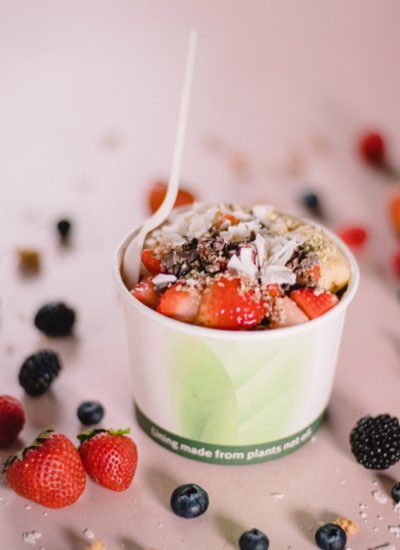
Click on the icons below to find out more about the shake components and what you can and cannot consume.
Protein
Reduces appetite and hunger. Boosts metabolism and increases fat burning. Lowers your blood pressure and helps maintain weight loss.
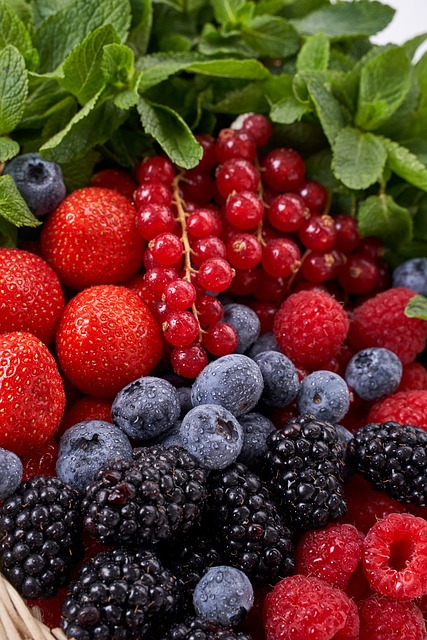
Fruit
Is abundant in vitamins, minerals, and phytochemicals. It may reduce the risk of cardiovascular disease and has been linked to lower blood pressure.
Resistant Starch
This dietary starch resists digestion in the small intestine. It ferments in your large intestine, creating more good bacteria, and boosting your overall gut health.
Things you should know
About Coffee
The Metabolism Reset book tells us that caffeine, in the form of coffee, black tea and green tea is to be avoided during the reset. Stating the following reasons for avoiding coffee. “Avoid all sources of caffeine during the Reset. This includes coffee, black tea, and green tea. Decaffeinated organic tea and organic coffee are permitted as long as they are decaffeinated by the CO2 process for tea or the Swiss water process for coffee. Other decaffeination processes leave too much caffeine per serving, and they can leave solvent residues in the finished product.
The issue with caffeine is that it forces the liver to empty its glycogen stores, which is a big problem during the Reset. Caffeine creates a temporary spike in blood sugar, with all the negative consequences that go along with it. The other problem with caffeine is that it is one of the strongest activators of phase 1 liver pathways.”
Phase I liver detoxification is the first line of defense against toxins. It consists of a group of enzymes known as the cytochrome P450 family. The enzymes help neutralize substances like alcohol and caffeine. They offer protection by converting these toxins into less harmful ones.
The byproducts of Phase I liver detoxification can still pose a toxic threat to the body. If the toxins are allowed to build up and stay in the liver, they can damage DNA and proteins. It is the role of Phase II liver detoxification, to make sure that those toxins do not build up. Which provides final neutralization of the toxins so that they can be removed by the body.
Phase II liver detoxification neutralizes the byproducts of Phase I liver detoxification and other remaining toxins. This is done by making the toxins water-soluble. That way they can be excreted from the body. This process is known as conjugation. Glutathione, sulphate, and glycine are the primary molecules responsible for this process.
Under normal conditions, Phase II liver detoxification enzymes produce low levels of glutathione. Under times of high toxic stress the body increases production of glutathione.
Most with adiposity need more phase 2 activity relative to their phase 1 (see Chapter 3.) After the Reset is over, a few servings of organic coffee and tea without creamer, butter, or sweeteners are harmless for most people and may even have some health benefits.”
Having said all that giving up caffeine could be a deal breaker for you. It’s hard enough to go on a restrictive diet without dealing with caffeine withdrawal – which I can attest is absolutely no fun. Instead of going cold turkey, David restricted his coffee intake to a single caffeinated cup in the morning, with almond milk, and a cup of decaf at lunch time. He doesn’t take sugar in his coffee, but if you do Stevia is recommended as a sugar substitute. As a rule of thumb you need half as much Stevia as you would sugar.
You should decide what works for you, but since going on the diet I have found new research that claims that drinking coffee every day is good for you (oops, sorry David!).
“Recent research has shown that drinking coffee every day can reduce the risk of liver scarring (fibrosis), cirrhosis, and liver cancer.
It seems that drinking 2 to 4 cups a day is good for your liver. But be careful not to add too much sugar or milk to avoid the extra calories that might worsen your fatty liver disease.
Avoid other caffeine containing beverages that might make you jittery or anxious without the health benefits of coffee.”
Sourced from the Australian Liver Foundation. https://liver.org.au/your-liver/about-the-liver/
To Green Tea or not to Green Tea?
Green tea contains caffeine, approximately one third to half as much, by volume, as coffee. The Liver Detox diet advises you to abstain from green tea altogther until you are on your maintainance diet. I, however, fell down another rabbit hole and thought I’d share my findings with you.
Let me preface the following by saying that there are millions of people, in all stages of health, that happily drink green tea every day with absolutely no ill effect, and there are lots of studies that attest to its benefits.
Green tea is perplexing. Apparently it’s good for you if your liver is bad, but can be bad for you if your liver is good. Confusing? I have recently come across a 2020 clinical study that stated “that green tea reduced the levels of liver enzymes in participants with nonalcoholic fatty liver disease (NAFLD) but in healthy subjects, a small significant increase in liver enzymes was observed. In conclusion, the results of this study suggest that the effect of green tea on liver enzymes is dependent on the health status of individuals. While a moderate reducing effect was observed in patients with NAFLD, in healthy subjects, a small increasing effect was found.” https://pubmed.ncbi.nlm.nih.gov/32067271/
Here’s my totally biased anecdotal “proof”. When I was pregnant with my first child I was very healthy – good blood pressure, good cholesterol levels, good liver function, etc. At the start of my pregnancy I did all of the right things, including give up caffeine. I decided I would replace my morning coffee with the lauded healthier option, green tea. Clearly I didn’t do my research, because I was completely unaware that green tea contained caffeine. As it turned out the caffeine wasn’t to become a problem; immediately after drinking a cup of green tea I would become so nauseous that I’d vomit. I put the nausea down to morning sickness and after a time just stopped drinking hot drinks altogether. Later, well after my pregnancy, I attempted to reintroduce ‘healthy’ green tea to my diet – imagine my surprise when I had the exact same nausea. How stupid did I feel! A lot of ‘morning sickness’ could have been avoided had I not had that morning cup of green tea in the first place.
Let’s just say that drinking green tea is good for your liver if it isn’t up to scratch. However, should it start to make you puke, you could take it as a less than delightful sign that your liver function is A’OK! I’m happy to say, it still makes me sick!
Exercise
Weight loss is a cornerstone to restoring your metabolism. Hence, you’re considering, or are on, a diet. Most everyone I’ve spoken to about metabolic health, is concerned about their metabolism simply because they’ve put one weight. Diet will certainly help but it is only half the story, “exercise can improve NAFLD even without achieving weight loss. Houghton et al. found that 12 weeks of exercise in the absence of weight loss reduced 16% liver fat, 12% visceral fat, and 23% serum triglycerides in patients with biopsy-proven NASH [86]. These results are in line with other studies that demonstrated that an exercise intervention program conferred significant improvements in hepatic stiffness and fat content [85,87,93], glucose homeostasis, and lipid metabolism, regardless of weight loss [91].
The implementation of physical activity showed a strong association with improvements in inflammation, steatohepatitis, and fibrosis, and a beneficial effect on liver function in experimental models. In addition, physical activity demonstrated other major benefits, e.g., the suppression of genes related to lipogenesis and inflammation, as well as upregulation of those related to lipid oxidation and the apoptosis pathway in the liver. Several exercise modalities were demonstrated to have a positive effect in clinical studies of NAFLD in humans. An optimal exercise prescription in terms of type, intensity, and dose that improves or resolves NAFLD has not been established; nevertheless, a dose-response relationship has been observed. Both aerobic exercise and resistance exercise have been demonstrated to reduce liver fat and improve insulin resistance, and blood lipids regardless of weight loss, although there is more evidence of positive effects for aerobic exercise. Resistance exercise is more feasible for NAFLD patients with poor cardiorespiratory fitness. Short-term training programs have proved to be effective, but the benefits may be lost in the long term without proper adherence to permanent lifestyle modification. Diet and exercise prescriptions for NAFLD should be individualized according to the preference, physical fitness, and comorbidities of each patient to promote sustained adherence to lifestyle changes. More effort and awareness-raising should be applied to encouraging an active lifestyle for a better impact on NAFLD patients, and, therefore, reduction in the burden associated with this growing public health problem.
Aerobic vs. Combined Aerobic plus Resistance Exercise
The response of patients with NAFLD to either aerobic exercise or a combination of aerobic plus resistance exercise was evaluated by Franco et al. They found that after 6 months of exercise training, both groups significantly reduced their NAFLD mean score, but the aerobic exercise program was more effective [89]. Subsequently, Franco et al. evaluated the effects of an aerobic exercise program, an aerobic plus resistance program, a low-glycemic index Mediterranean diet (LGIMD), and their combined effects, in patients with NAFLD, finding that after 90 days, all interventions significantly reduced the NAFLD score, but the LGIMD plus aerobic activity program was associated with the stronger reduction.”
https://www.ncbi.nlm.nih.gov/pmc/articles/PMC10379178/#:~:text=Furthermore%2C%20both%20aerobic%20and%20resistance,exercises%20may%20be%20more%20effective.
The case for Quinoa
Oops! Wind
Resistant Starch
Who knew? Why isn’t resistant starch and it’s health benefits common knowledge? I didn’t know anything about it and a quick survey of friends came back with the same.
Starches are long chains of glucose found in grains, potatoes, and other foods. We have to be careful about the quality and quantity we consume. But resistant starch functions similarly to soluble, fermentable fibre. Some of its potential benefits include improved insulin sensitivity, lower blood sugar levels, reduced appetite, and various benefits for digestion. Studies have shown that resistant starch can help with weight loss and benefit heart health. It can also improve blood sugar management, insulin sensitivity, and digestive health.
So where does it come from and how do you get it into your diet? Resistant starch in foods is often destroyed during cooking. However, you can recapture the resistant starch content of some foods by allowing them to cool after cooking. Best results are achieved if you allow the foods to cool overnight. Or cook in batches, such as rice, and freeze until needed. The main sources of resistant starch are:
Oats – either raw or cooked and cooled for several hours, or overnight, will increase the amount of resistant starch. Raw oat dishes, like bircher muesli, are a great source of resistant starch. Use steel cut oats or rolled oats. Quick oats and flavoured oats should be avoided.
Cooked and Cooled Rice – cooked rice is not a source of resistant starch until it has been chilled. If, like me, you have been told that old cooked rice should not be stored because it breeds bacteria, then try this method. Cook your rice, as soon as it is cooked, fluff it and place it on a small cookie sheet or flat tray to refrigerate, when chilled freeze it in 1 cup servings. It freezes well, fluffy and separated. Use your microwave to heat, without any loss of resistant starch.
Sorghum and Barley – As well as being a great source of fiber, these grains also contain important vitamins and minerals such as vitamin B6 and selenium.
Beans and Legumes – provide large amounts of fiber and resistant starch. The tinned variety is convenient, and healthy. If you would prefer to prepare your own beans be sure to soak them well and fully cook them to remove the lectins and anti nutrients. Here’s a cheerful fact – undercooked beans and legumes cause wind.
Good sources include:
- pinto beans
- black beans
- soybeans
- garden peas
- roasted fava beans
Raw Potato Starch – is a concentrated source of resistant starch as long as it is not cooked. If you intend to add it to hot food, you must prepare the meal and only add the potato starch once the meal has been cooked. Potato starch is often used as a thickener. Potato starch can be added to smoothies, yoghurt, and overnight oats.
Cooked and cooled potatoes – are a good source of resistant starch. It’s best to cook the potatoes and allow them to cool for at least a few hours. When fully cooled, cooked potatoes will contain significant amounts of resistant starch. Think potato salad with a light dressing, or reheated boiled potatoes. You will notice that the reheated potato has lost its fluffiness during the cooling process, which is fine in a potato salad but not as great as a hot side dish.
In addition to being a good source of carbs and resistant starch, potatoes contain nutrients such as potassium and vitamin C
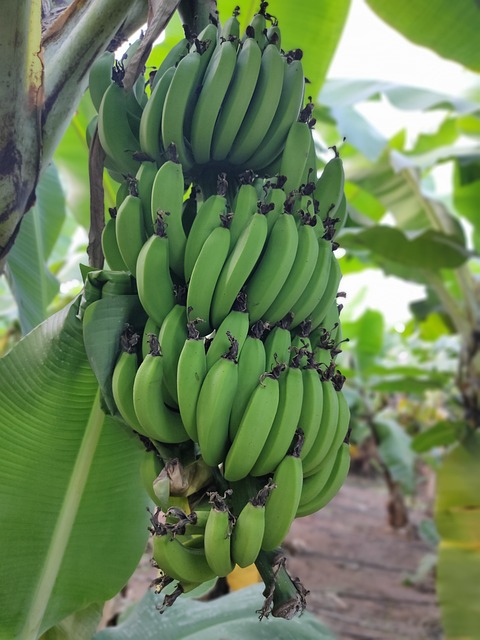
Green Bananas – are another excellent source of resistant starch (11). You can buy green banana flour from the health food section of the supermarket.
Additionally, both green and yellow bananas are a healthy form of carbs and provide other nutrients such as vitamin B6, vitamin C, and fiber (
As bananas ripen, the resistant starch transforms into simple sugars such as:
- fructose
- glucose
- sucrose
Therefore, you should aim to buy green bananas and freeze them if you want to maximize your resistant starch intake. Avoid ripened bananas on a low sugar diet.
Hi-maize resistant starch – is also referred to as hi-maize fiber or hi-maize flour. It’s made from corn.
Like potato starch, hi-maize resistant starch is a very condensed form of resistant starch. It can be easily added to yogurt or oatmeal.
Most commercial varieties of this product may be composed of 40–60% resistant starch. The remainder is mostly digestible starch
In fact, cooking and cooling any starchy foods will increase their resistant starch content. This includes foods like pasta, sweet potatoes, and corn tortillas. Once the