Baking Basics
“Curiouser and curiouser!”
Here are some tips, tricks, and basic cooking rules to help you understand the baking process.
I have been helping my young friend Ben learn to cook – and a fabulous baker and cooking buddy he has turned out to be. But, Liam and Ryan, my very own offspring – nada! They request, they encourage, they eat, they don’t cook.
One day, I tell myself, they will want to know all of this stuff, hence this site! Ben will already know of course, lord of his own kitchen, but the other two – it’s a good thing they’re friends with Ben.
Down the rabbit hole
Who cares! Really, who cares about the construction and life-cycle of baked goods? Sadly, me. Forever tumbling down rabbit holes.

The Components of a Cake
There are 5 key ingredients to a cake – flour, water, egg, fat, sugar. The supporting roles are: leavening agents, salt, and flavouring. Flour provides the structure (gluten); the fats, butter and oil, tenderise; sugar sweetens and adds to tenderness; water provides moisture and activates gluten; and egg provides an emulsifier so that the oil and water ingredients will bind together, while the yolk also adds to the fat, and the egg white also adds to the moisture.
The supporting roles: baking powder and baking soda (leavening agents) give the cake its airiness; salt adds flavour and strengthens the gluten; and then there are flavourings, which depending upon their makeup, can impact the ratios of fat, sugar and/or water.
Each of the dry element is competing for moisture so the order in which you combine the ingredients is important. If you put in the wrong ingredient first, the hydration will be inconsistent and the batter can become lumpy. And a lumpy cake batter is quite difficult to fix, because the excess beating to remove the lumps also destabilises the structure.
A cake is typically made by first creaming the fat and sugar.
The creaming of the fat and sugar creates air for the structure to bond to – which is further assisted by the leavening agents. The fat and sugar are beaten together until they reach a fluffy consistency similar to whipped cream. Beaten egg is then added to the mixture to stop those fat-coated air bubbles from collapsing when heated. The dry ingredients are then gently folded into the batter – you need to be gentle because you don’t want to break down those bubbles. A cake batter that flows means that the hydration is consistent. Be careful not to over-mix! Adding the flour to the wet ingredients creates the gluten (structure), the batter should not be excessively beaten because it can change the desired texture (see Water).
Lard & Butter
Butter tastes better, but crusts and biscuits made with lard are flakier because they lack structure. Butter, lard and shortening work by coating the flour particles and gluten strands in the dough thus preventing them from forming a strong bond. This is where the term “shortening” comes from.
The stronger the bond, the tougher the crust and vice versa. Lard has a higher melting point than butter, melting between 43 and 48° C (109 and 118° F) while butter melts somewhere between 32 and 35° C (90 and 95° F). A slower render means more air and steam-release, which means more leavening and flakiness. The fat crystals in lard are also larger than those in butter, which means there is more empty space left behind when the fat renders out — more space also means more layers and flakes.
Butter or lard for a pie crust has to be cold. The fat needs to coat the flour, not blend in with it. Otherwise, the crust will get soggy and wont have a crisp, flaky texture.
Liquid – Water, Milk, etc.
It’s the addition of liquid that activates the gluten – and that includes water, milk, juice, wine, egg white, etc. A key to great baking is to get the water to flour ratio correct.
Here’s how it works. As soon as water is added to the flour the gluten is created. Water is what causes the two wheat proteins glutenin and gliadin to combine and form gluten. So by adding or withholding water from your dough or batter, you can encourage or deter gluten’s development. When you want to maximise the gluten (bread), a moderate amount of water is ideal. If it’s tenderness you’re after, you can either deny your dough water (pastry) or drown it (cake) —depends on what you’re making.
Flaky, tender pastry doughs are thirsty. When a pie dough recipe tells you to dribble water into the dough drop by drop it’s for a good reason; it takes just a little too much water to create excess gluten and a tough piecrust. The same is true with biscuits and scones.
Cake batters and some bread doughs need to drown. Once the gluten in a dough or batter is fully hydrated, adding more moisture actually dilutes and weakens the gluten. In cakes, excess moisture along with low-protein flour and various softening ingredients contributes to tenderness.
A cake batter that flows means that the hydration is consistent. Be careful not to over-mix!
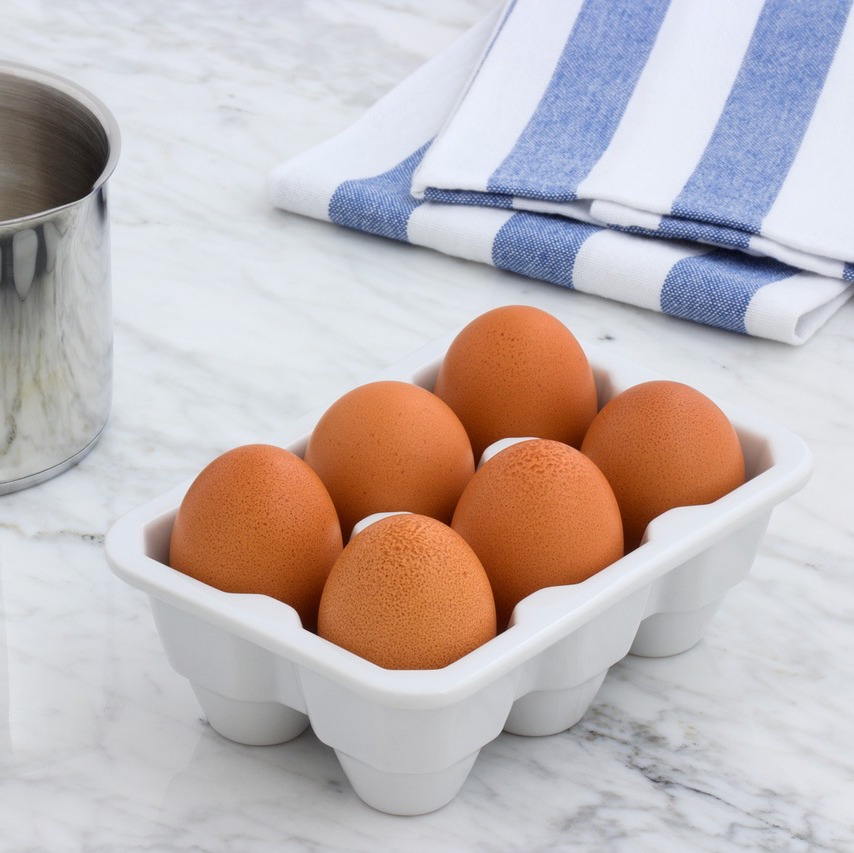
Eggs
Eggs add structure in the form of protein. As eggs bake in a cake, the proteins denature and coagulate which, along with the starches in flour, help form the overall structure of your baked goods. The ratio of egg must be in balance with the sugar and fat – too much egg will yield tough, dry, or chewy results. Remember, the egg adds to the structure but also adds to the fat and water.
Egg yolks contain emulsifiers that help to form a thick batter that doesn’t separate. The yolks important role is to blend two key ingredients (fat and water) which don’t work together without the aid of an emulsifier, into a blended solution.
Baked goods made with egg yolks only can be richer and more tender than those made with whole eggs. The fats in the yolk weaken the gluten that is present. Egg-white is high in water so, depending upon what you are making, the additional water will either aid or dilute gluten development (see Water). Remember: the more gluten the stronger the structure – think bread.
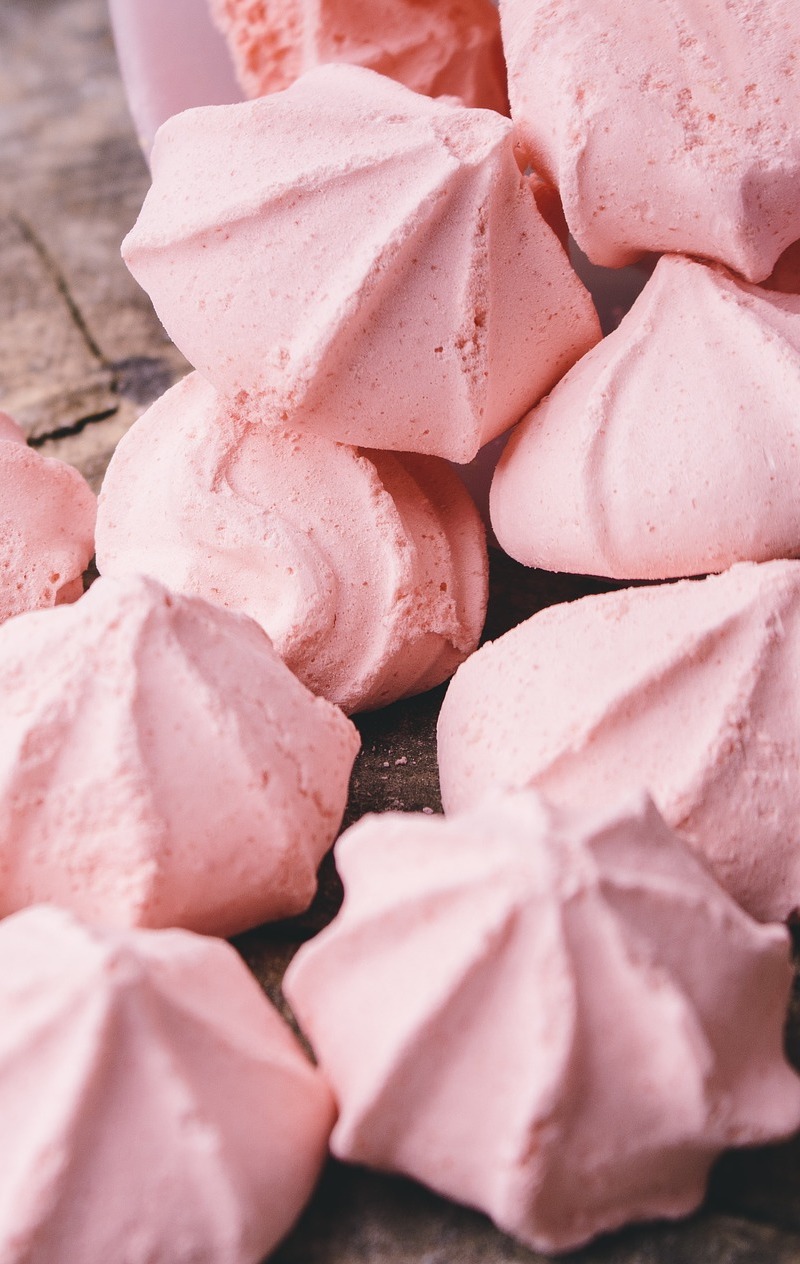
Confectionary made up of egg white and sugar only, such as meringues are stiff and mostly dry. They have no fats or gluten to soften and give stretch to the structure. Any softness or chewiness found in the centre of a meringue is a product of the amount of moisture remaining in the sugar.
Sugar
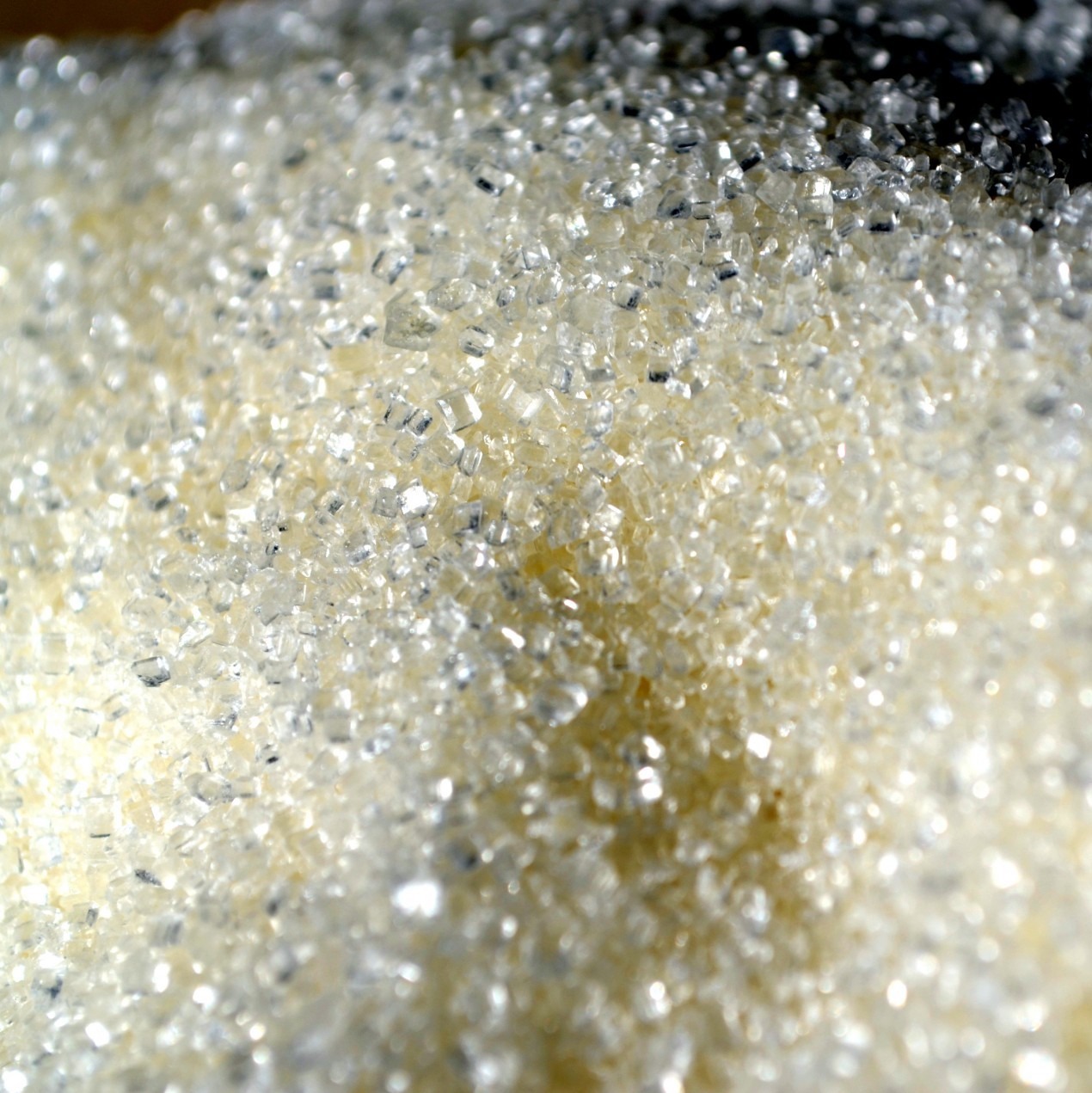
Much of the tender, melt-in-the-mouth texture of cake comes from gas bubbles, which subdivide the batter into fragile sheets. The majority of this air is added in the initial stage by vigorous “creaming” of the fat and sugar. Air is carried along on the rough surfaces of the sugar crystals. This is why we use caster sugar, as the smaller the crystals, the more air is incorporated. These bubbles of air are encased by a film of fat, creating a foam.
Sugar also helps slow the cake from hardening. When a cake begins to go stale, the starch starts to crystallize. Sugar will draw the water and prevent the starch molecules from forming and crystallizing. Higher fat content will also keep a cake moist longer, holding off staleness.
Salt
Salt has several functions in baked goods: A little salt balances flavours by tempering bitterness tones and cloying sweetness. Salt enriches the overall flavour by enhancing the secondary flavours in your sweet recipes. Salt has a strengthening effect on the gluten protein. Great for yeast breads, crackers, and making cookies chewier.
In yeast breads, salt controls yeast growth so that the dough doesn’t rise too fast or too much. Without salt, bread rises faster and air pockets enlarge where the gluten has broken, allowing holes to form. Bread made without salt will taste bland.
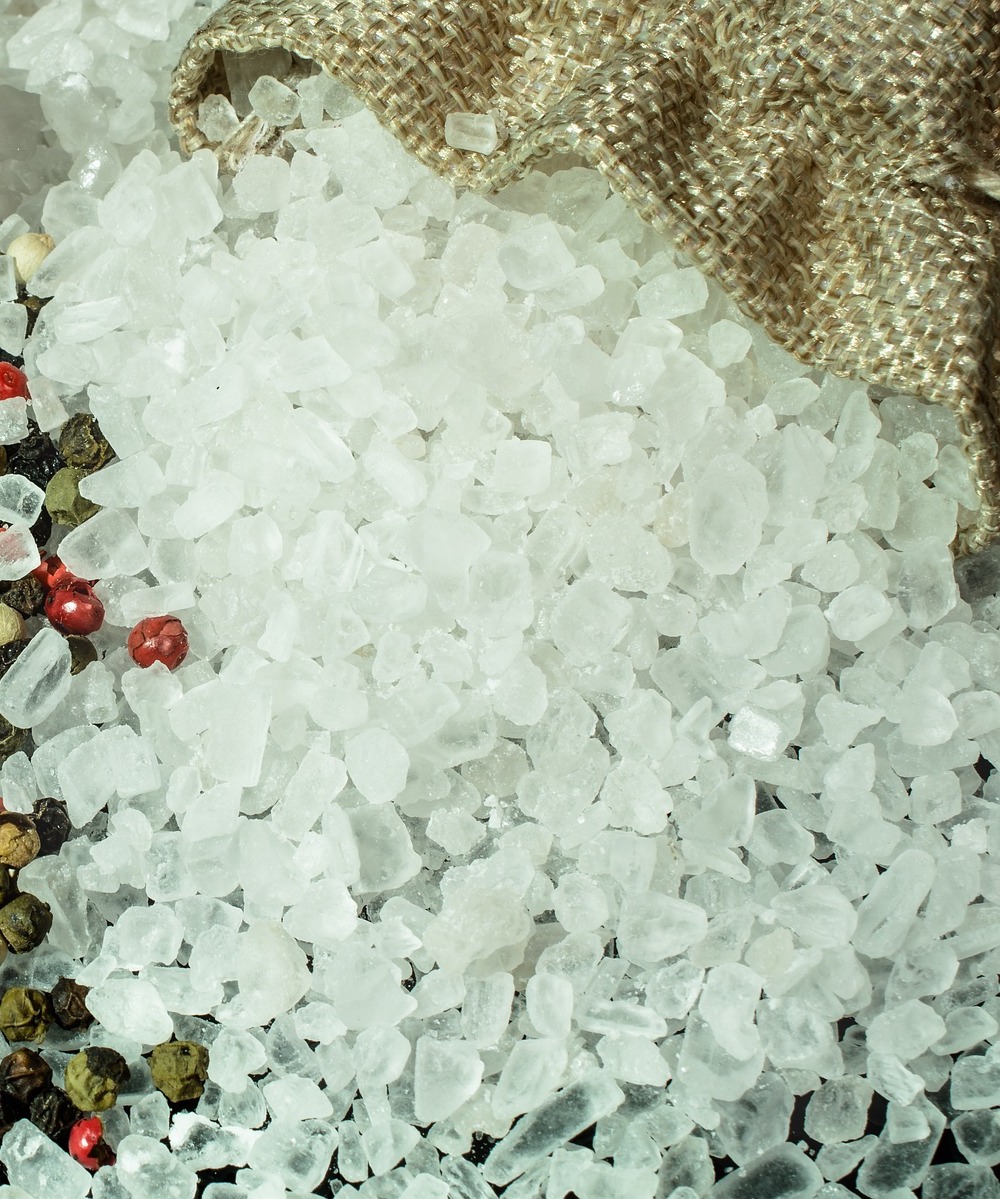
Substituting by volume. A teaspoon of table salt weighs more than a teaspoon of kosher salt, rock salt, or sea salt. The simple reason for this is that the table salt grains are finer so more fit in the teaspoon. If you don’t have kosher or sea salt and want to substitute with table salt, a safe rule of thumb is to halve the amount of salt in the recipe.
If you are substituting salt by weight there is no need to modify the recipe at all.
Other Salt Facts
Salt is essential to good health, however experts disagree as to how much salt you should have in your diet. Some contend that a low salt diet can be linked to higher LDL and triglyceride levels, and increased insulin resistance. It may increase the risk of death from heart disease, heart failure and type 2 diabetes.
While the more popular belief is that high salt intake is the cause of a number of health problems, including high blood pressure, heart disease, and stroke.
This is the point where you throw your arms up in the air in confusion and take the middle road. Unless advised by a professional include salt in your daily diet – but not too much.
The one rule we should all agree on is to always use iodised salt in cooking and on the table. Iodine deficiency affects about two billion people worldwide and is the leading preventable cause of intellectual and developmental disabilities. There is no global fix to this problem, each government addresses iron deficiency differently by mandating how iodine will be used as an additive in salt production and its usage in manufactured foods.
Australians are also susceptible to iodine deficiency, especially children and babies nourished by pregnant and lactating women. The only manufactured food that the Australian Government mandates must be prepared with iodised salt is bread (organic bread is exempt). Iodine deficiency also causes thyroid gland problems and goitre. Go to Food Standards Australia New Zealand for more information about iodine fortification.
A diet that includes milk, eggs, yoghurt, seafood, seaweed, and manufactured bread should provide sufficient iodine. Diets that do not include these foods, such as Vegan, should incorporate iodised salt into their diet. The recommended daily intake for adults is 150 micrograms, which can be obtained from about one-half to three-quarters of a teaspoon of iodised table salt per day – (double this if you are using iodised sea salt).
Exception to the iodine rule: avoid iodised salt in cheese making and any process that requires the production of bacterial growth – which would be inhibited by iodine. Pickling salt also contains no iodine – this is for aesthetic purposes only – it darkens the food.
Flour
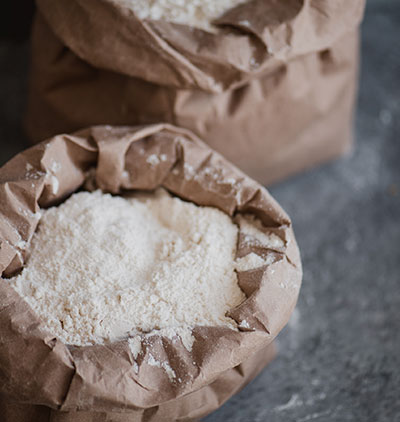
There are many types of flour, and you need to use the right type for your recipe. Go here to learn about the types and uses of flour.
How the gluten in flour reacts is a direct result of what your flour is mixed with and when it is added. If you add flour to fats the gluten will be unable to form a strong bond; if you add salt to flour, gluten will be strengthened; too much liquid will weaken gluten; full hydration will optimise gluten; and too little liquid will “shorten” gluten. See Water and Fats for further explanation. Flour is fussy stuff but versatile. It will give you as much or as little strength as you need to build the perfect structure.
Bread requires that the gluten is given every opportunity to strengthen. Conversely, when mixing a cake, you want to limit the amount of gluten formed so that the result will be soft rather than chewy. You do this by first adding the flour to fats, and then further weaken the gluten by flooding it with enough moisture so that the batter flows. You then mix all of the ingredients together to create an even batter and as soon as it’s combined you stop! You’ve created a structure – gluten aligns, the proteins align with strands – it’s good to go in the oven. If you keep mixing, the batter will be too runny and the structure won’t hold. You’ve disrupted the networks that are formed.
Further changes occur when the batter is in the oven. The starch portion of the flour gels — with help from sugar — and creates a weblike structure that traps water and provides moisture. The carbon dioxide from the leavening agents will expand the cake. Gluten holds those bubbles in place while the fat from the oil or butter lubricates the process.
When it bakes, the whole protein network hardens and holds the lifted structure in place. If you take the cake out early, the cake can collapse because a structure hasn’t set.
Leaveners and other additives
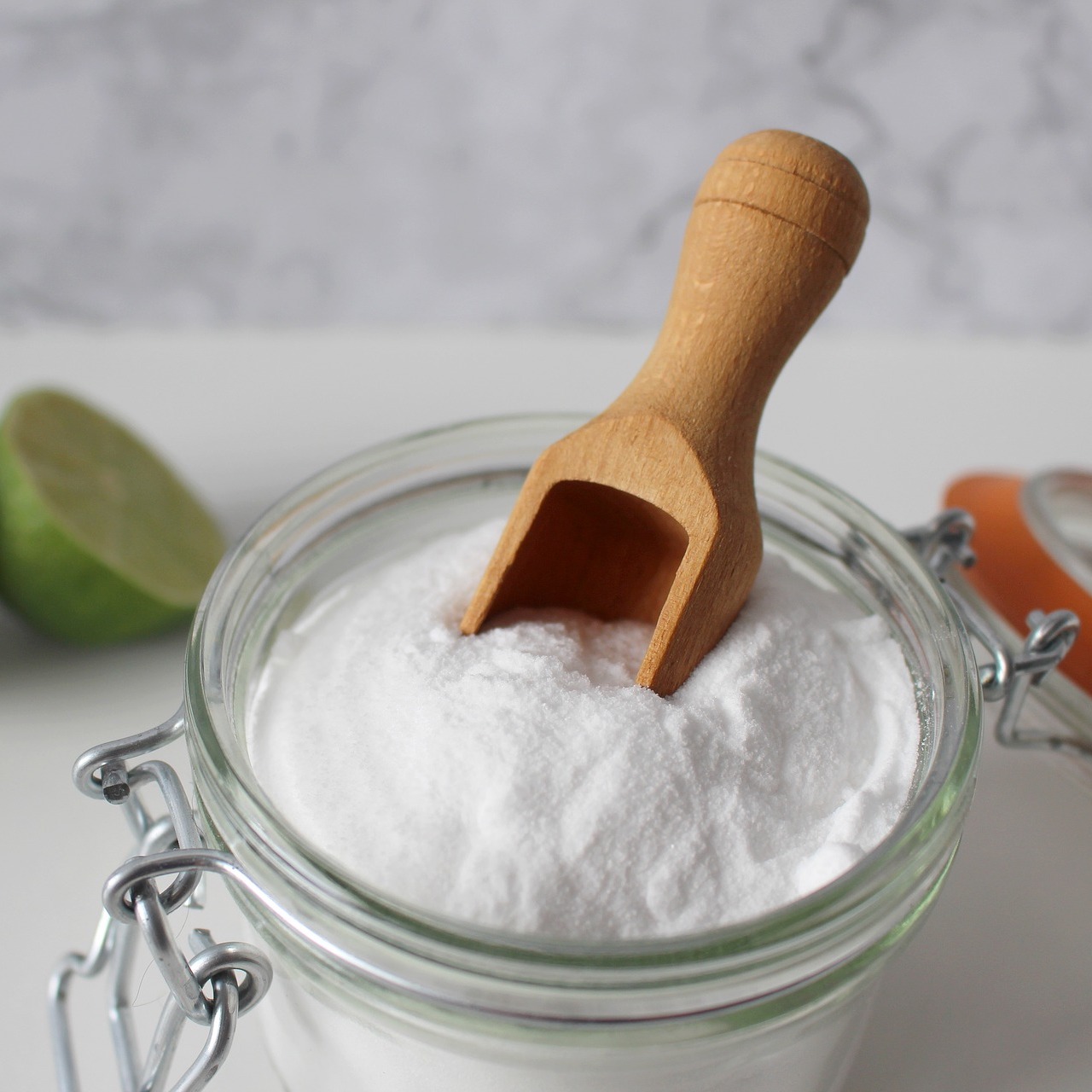
Bicarbonate of Soda (also known as baking soda, bicarb soda, cooking soda, and bread soda) is used in baking as a raising agent. Used by itself, it is strongly alkaline and gives baked goods a bitter “soapy” taste and a yellow colour. The way to overcome this is by mixing it with an acid – and voila, you have baking powder.
When bicarbonate of soda reacts with an acid, carbon dioxide is released. This causes expansion of the batter and forms the characteristic texture and grain in cakes, quick breads, pancakes, and other baked and fried foods.
Bicarbonate soda should not expire, so long as it is kept in a dry cool place. You can check whether bicarb soda is still effective by dropping a teaspoon of it into vinegar – if it reacts it’s ok.
Cream of Tartar is a weak acid and a pantry staple. It’s primary use in baking is to make bicarbonate soda more effective and give lift to baked goods. Used mainly to lower the pH of a recipe, it is also your best friend if you are having trouble with your meringues, or over-beating the cream.
- Add it to egg whites before whipping begins (typically at a ratio of ⅛ teaspoon per large egg white). The acidic powder lowers the pH of the albumen (egg white). It keeps egg white foam supple and elastic while increasing stability and volume.
- It will give egg white based baked goods a brighter white, think meringue and angel food cake.
- It will help maintain texture and volume in whipped cream; especially useful for cake decorating.
A standard recipe for piping cream is: 3 Tbs. icing sugar (confectioners’ sugar), 1⁄2 tsp. cream of tartar , 2 cups (1 pint) icy-cold heavy or whipping cream, 2 tsp. pure vanilla extract - Add it to candies or icings/frostings to give them a creamier texture.
- It will prevent the crystallization of sugar syrups.
- Reduces discoloration of boiled vegetables.
- Make your own baking powder – see recipe above.
Baking Powder is a prepackaged mixture of bicarbonate soda, one or two acids (like cream of tartar), and a buffer (like cornflour) to prevent the chemicals from prematurely reacting with each other. The mix is inert until activated by water.
Pay attention here, baking soda and baking powder are not the same thing! – If that isn’t clear, read the section on bicarbonate of soda again. American recipes refer to bicarbonate of soda as baking soda (why?!) – do not get this confused with baking powder – or you will mess up your recipe!
Generally, the acid and alkaline flavours are balanced in the baking powder, so they should be undetectable in the finished dish. However, if your recipe contains lemon juice, or vinegar, the acid required to activate the bicarbonate soda might already be included in the ingredients, so the additional acid in the baking powder may affect the flavour. If your baked item has a weird taste, have another look at the leaveners, you may need to reduce the amount of baking powder, and/or increase the amount of bicarb soda.
The rule of thumb is, one teaspoon (5 g or 1/6 oz) of baking powder is used to raise a mixture of one cup (120 g or 4oz) of flour, one cup of liquid, and one egg. Unless, of course when the ingredients are acidic. High acidity can be caused by ingredients such as buttermilk, lemon juice, yogurt, citrus, cocoa, chocolate, brown sugar, and honey.
When excessive acid is present, some of the baking powder should be replaced with bicarb soda. For example, one cup of flour, one egg, and one cup of buttermilk requires only ½ teaspoon of baking powder and ¼ teaspoon of bicarb soda — The baking powder will do half of the leavening and the remaining leavening is caused by buttermilk acids reacting with the ¼ teaspoon of bicarb soda. It also follows that if you are making a rich chocolatey, buttermilk, brown sugar extravaganza – you don’t need to use baking powder at all – the bicarb soda will be activated by the acids in the ingredients.
In a pinch you can make your own baking powder by mixing 2 parts cream of tartar to one part baking soda and there you have it. Better still, just buy it in its handy dandy container – it will last a very long time. The expiry date on baking powder is not really relevant, so long as it is kept dry and cool in the pantry it should last forever-ish. You can check whether baking powder is still effective by dropping a teaspoon of it into hot water – if it foams up it’s ok.
Oh, and last thing on the subject of baking powder. You want the “double-acting” variety for baking because you will get a more reliable result. Basically, you can have one or two acids in your baking powder. Fast-acting baking powder contains a single acid which will react immediately it is wet – you need to start cooking your batter straight away before the bubbles expire. While “double-acting” baking powder contains 2 acids; one reacts to water and the other to heat, therefore the batter will rise once it is wet and then again when heated above 60 °C (140 °F ) – you have more time to get your batter to the oven.
Ratios
What’s the difference between a pound cake and a pancake? The ratios.
The basic ingredients can be fundamentally the same, but it’s the ratio of ingredients and their treatment that makes the difference. Once you understand the basic ingredients and the correct ratios you will be able to knock together a baked extravaganza without having to rely on a recipe.
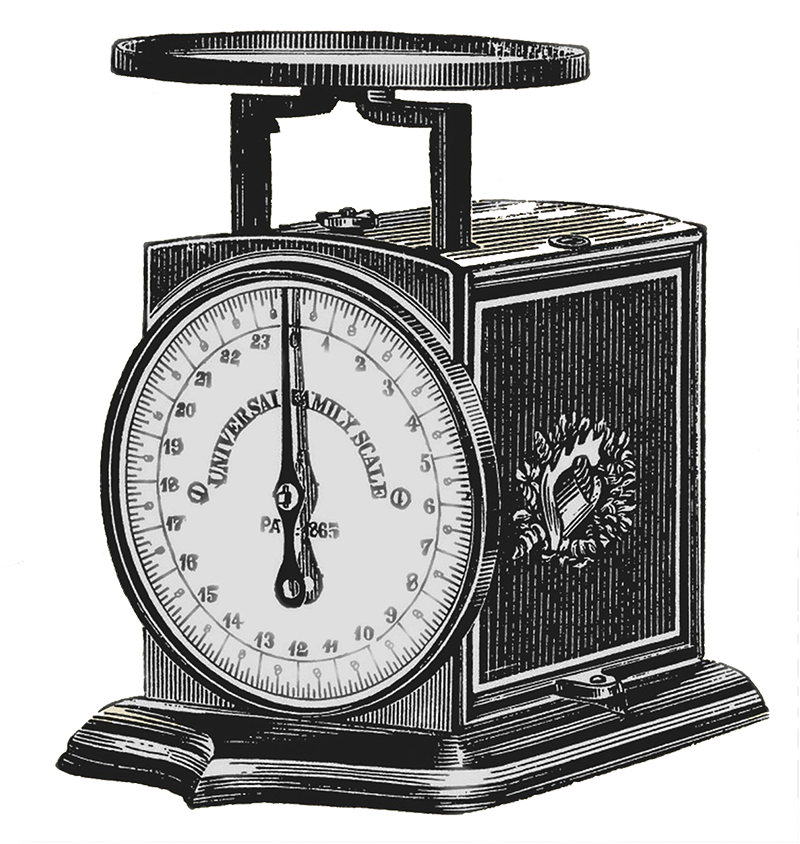
Ratios are by weight not be volume. An essential tool in my kitchen is a digital scale. If you don’t have one, get one, you wont regret it. To ensure consistent results you need to know the weight of your raw ingredients. The weight of a firmly packed and softly packed cup of flour can differ by about 30% (I tested!), and the weight of an egg depends upon its size – if you’re not sure you can just weigh it and add precisely the amount you need.
Regardless of the recipe, the ratios don’t change. Here are the basics:
Cake = 1 part flour: 1 part egg: 1 part fat: 1 part sugar
This original cake recipe is a Pound Cake. It dates back to the 1700s and it’s the easiest recipe to remember; made up of equal quantities (by weight), flour, egg, butter, and sugar. In fact the original recipe required a pound of each. If you add baking powder at 1 teaspoon per cup of flour, you have a modern cake recipe.
Pancakes = 2 parts flour: 2 parts liquid: 1 part eggs: 1/2-part fat
Pancakes are made by slowly incorporating the liquid into the dry ingredients while whisking constantly. As soon as liquid is combined the batter is allowed to rest so that the gluten can relax. This is why lumps are acceptable in a pancake batter, if you beat them out you create more gluten, resulting in pancakes that are chewy instead of fluffy. A good rule for perfect pancakes is to make your pancake batter the night before, strain it through a sieve to remove lumps, and then rest overnight so that the gluten can relax.
Crepes = 1/2-part flour: 1 part liquid: 1 part eggs
Crepe batter needs time to rest, preferably overnight in the fridge. Resting gives the batter a thicker more viscous consistency, bubbles are worked out, and the end result tastes less starchy and cooks more evenly. If the batter is too thick after resting add just a little water.
Meringue = 2 parts sugar: 1 part egg whites or 1 part sugar: 1 part egg yolks
Add cream of tartar before beating, it makes egg white foam supple and elastic while increasing stability and volume. Also makes the meringue whiter. When the meringue foam stays still the meringue is done. To avoid cracks in your meringues keep the oven door closed while they dry out.
Pate a Choux = 1 part flour: 2-parts liquid: 1 part butter: 2 parts eggs
This might take some practise but remember texture is key. You need to dry out the choux mixture before adding the eggs. There should be just enough egg so that the batter will drop from the spatula with a clean break – not too stiff that it wont fall off, and not so sloppy that it drops off quickly. There is no fixing too much egg – you need to start again!
Pie Dough = 3 parts flour: 2 parts butter or lard: 1 part water
For best results keep all ingredients cold. Cold butter or lard will result in flakier pastry. Be stingy with the water, too much will make your dough tough. One trick is to replace water with ice cold vodka. Refrigerate dough before rolling out, and to avoid soggy bottoms par-bake your crusts before filling.
Fritter = 2 parts flour: 2 parts liquid: 1 part egg
The key to a crispy fritter is to go straight from batter to pan and never crowd the pan. Drop too many in the frying oil at once and the temperature will plummet, producing a greasy, mushy fritter.
Cookie = 3 parts flour: 2 parts fat: 1 part sugar
Round dough balls take longer to bake, resulting in softer, thicker cookies. Flattening the balls yields thinner, crisper cookies. Refrigerating cookie dough before baking allows all of the moisture to be absorbed by the flour and sugars, resulting in a chewier, better tasting cookie.
Scones/Biscuit = 3 parts flour: 2 parts liquid: 1 part fat
Freeze and grate the butter. Makes it easier to work with and gives a more consistent result.
Muffin/Quick Breads = 2 parts flour: 2 parts liquid: 1 part eggs: 1 part fat
Mix muffins quickly, don’t over mix. Combine your wet and dry ingredients in two separate bowls and then gently mix the ingredients together until just combined (a few lumps are fine) and then carefully fold through your add-ins. A muffin is a quick bread, not a cake. The difference is, muffins are not made by creaming the butter and sugar to incorporate air and the gluten is not given a chance to strengthen, so they have a heavier crumbly texture.
If you’re learning to bake start with muffins, they are quick to make, versatile and work well both sweet and savoury. And because you don’t need to cream the butter and sugar you can control the calories by using less sugar or sugar substitutes. The accepted ratio of flour in a muffin recipe is 2 parts, however I find that a bit more dry ingredient is needed in most recipes – especially if you are adding wet or juicy ingredients like berries.
Tips
The most accurate way to check whether your cake is done is to check it’s temperature. For denser cakes like flourless chocolate cake, carrot cake, and red velvet cake, an instant-read thermometer inserted into the middle of the cake (avoiding the bottom of the pan) should measure 93-96°C (200-205°F). For lighter cakes like angel food cake or sponge cake, the thermometer should measure 96-99°C (205-210°F). Just be sure to avoid boiling point 100°C (212°F) and beyond, since that’s the temperature that water turns to steam, which means you’ll start losing moisture fast.
If the oven temperature was too low then the batter will have set too slowly, and expanding gas cells will have coagulated to produce a coarse, heavy texture, making the upper surface sink.
If the oven was too hot then the outer portions of the batter will have set before the inside has finished expanding, which produces a peaked, volcano-like surface with excessive browning.
If there is too much baking powder or bicarbonate of soda in the mix, during baking the bubbles will float to the top and pop, sinking the cake. Adding too much can also give a baked good a chemical taste.
If you can avoid it don’t store baked goods in the fridge. Lower temperatures will cause a cake to go stale quicker.