
by Sharyn | Jan 14, 2020 | Tips & Techniques
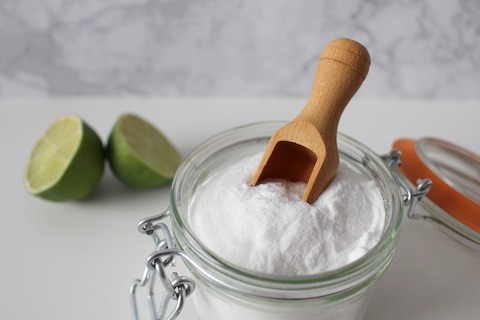
Work with me here. Just a bit of back-story (because I really do love the back-story) and I will get to the point – it’s cheese, it’s worth waiting for! Sodium Citrate (E331) is one of those magic white powders, like bicarbonate soda, baking powder,...What is the difference between white, brown, and red onions? Sweetness and water.
White are best for salads – more water, more crunch, not as sweet, but tend to fall apart when cooked.
Red are somewhere in the middle – again great for salads, hold up better to cooking than white but lose flavour in the process.
Brown onions are not great in salads but are ideal for cooking, they hold up to the cooking process best and sweeten as they cook.
And the exception to this rule is the sweet onion, like the Walla Walla or Vidalia onions from the USA, that are delicious both cooked and raw – unfortunately I have not been able to find anything similar in Australia.
Salt is essential to good health, however experts disagree as to how much salt you should have in your diet. Some contend that a low salt diet can be linked to higher LDL and triglyceride levels, and increased insulin resistance. It may increase the risk of death from heart disease, heart failure and type 2 diabetes.
While the more popular belief is that high salt intake is the cause of a number of health problems, including high blood pressure, heart disease, and stroke.
This is the point where you throw your arms up in the air in confusion and take the middle road. Unless advised by a professional include salt in your daily diet – but not too much.
The one rule we should all agree on is to always use iodised salt in cooking and on the table. Iodine deficiency affects about two billion people worldwide and is the leading preventable cause of intellectual and developmental disabilities. There is no global fix to this problem, each government addresses iron deficiency differently by mandating how iodine will be used as an additive in salt production and its usage in manufactured foods.
Australians are also susceptible to iodine deficiency, especially children and babies nourished by pregnant and lactating women. The only manufactured food that the Australian Government mandates must be prepared with iodised salt is bread (organic bread is exempt). Iodine deficiency also causes thyroid gland problems and goitre. Go to Food Standards Australia New Zealand for more information about iodine fortification.
A diet that includes milk, eggs, fish, seaweed, and store bought bread will probably provide sufficient iodine for the average person. Vegans, and those on diets that limit iodine enriched foods should be mindful of including iodine enriched salt into their diets.
There is always an exception to every rule: avoid iodised salt in cheese making and any process that requires the production of bacterial growth – which would be inhibited by iodine. Pickling salt also contains no iodine – this is for aesthetic purposes only – it darkens the food.
Recent Comments