
Pulled Pork
A fantastic base for so many recipes. So simple, so tasty.
Servings
Many. Also great for freezing.
Ready In:
Minimal prep. Long hours in the cooker.
Calories:
The pork is lean, if that helps!
Good For:
Perfect for entertaining.
About this Recipe
By: Sharyn
I wanted to make a good pulled pork in the slow cooker. My idea was to find a no-fuss recipe that was simple to make but had heaps of flavour. I didn’t find a recipe that quite suited, so after many (many, many) attempts and much experimentation I came up with a recipe of my own that ticks all the boxes. I make this regularly and freeze it in meal size batches. Fantastic for a quick burrito or pulled pork buns. Give it a go…
Ingredients
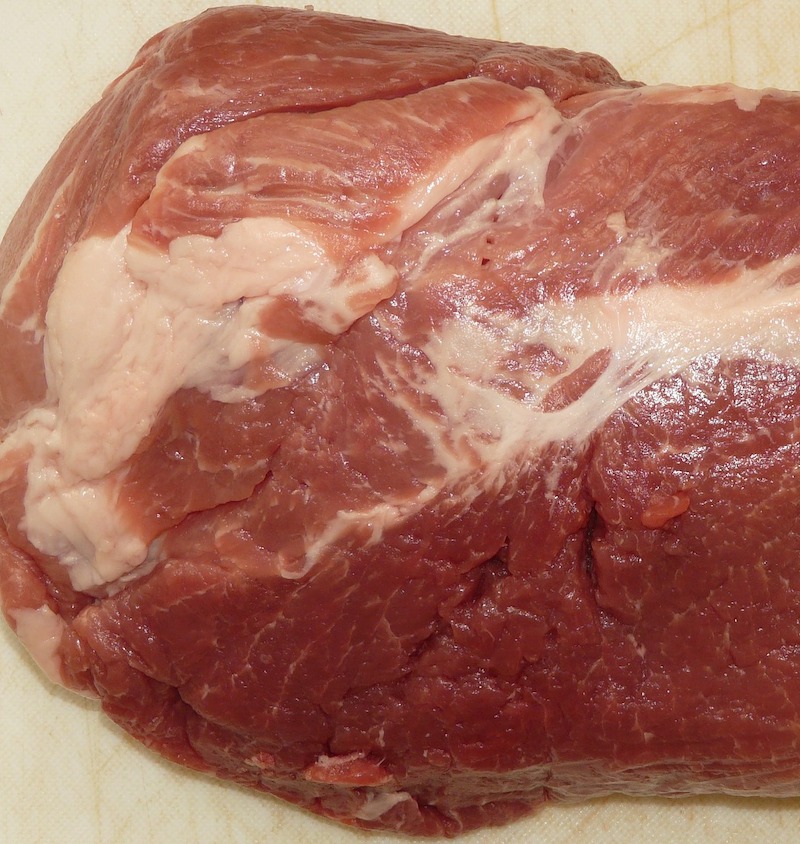
- 3kg pork butte (it should have bone and skin removed). If not available get a good sized shoulder instead, around 5kg to allow for trimming.
- 1 x 200gm can chipotle peppers in adobo sauce
- 2 large brown onions
- 6 garlic cloves
- 50gm tomato paste (or 1 cup of tomato puree, or 1 cup pomodoro sauce).
So sorry if you tried this recipe with the ridiculous 300gm of tomato paste that I had erroneously noted before. OMG! way too much – it must have been nasty. Note to self – check your ingredients!
- 1 small orange or ½ large orange
- 1 tbspn ground cardamom
- 1 tbspn ground coriander
- 1 tbspn smoked paprika or sweet paprika
- 1 tbsp cumin seeds or 1 ½ tbspn ground cumin
- 3 tbspn brown sugar
- vegetable oil for frying (eg. rice bran)
Chipotle peppers in adobo sauce are the greatest canned food on the planet, really! They are a staple in my kitchen and get tossed into all kinds of dishes. I decant them into a jar and store the chillies in the fridge, ready to add flavour and heat to whatever I’m cooking. One day while looking for a better flavour base for my pulled pork, I had an aha moment (which could be mistaken for an I-can’t-be-arsed moment)…. instead of settling on just a few chipotles, I tossed the entire can in. Lots of flavour, smokiness, and surprisingly not too hot. A few tweaks to the aromatics, acid, and sweetness, and I now have a recipe I like.
Recently I made an upgrade to the recipe and that is the addition of an orange, but don’t overdo it, about half a navel orange is enough. The oil from the skin and the orange pulp add a really nice balance to the sweetness and aromatics of the final dish.
There is a secret to this recipe and that is flash fry the sauce in hot oil. If you don’t do this final step your sauce will have a sharp finish, rather than the sweet caramel notes of a good pulled pork. Do a before and after taste test and see for yourself.
What is the difference between white, brown, and red onions? Sweetness and water. White are best for salads – more water, more crunch, not as sweet, but tend to fall apart when cooked. Red are somewhere in the middle – again great for salads, hold up better to cooking than white but lose flavour in the process. Brown onions are not great in salads but are ideal for cooking, they hold up to the cooking process best and sweeten as they cook. And the exception to this rule is the sweet onion, like the Walla Walla or Vidalia onions from the USA, that are delicious both cooked and raw – unfortunately I have not been able to find anything similar in Australia.
Step by Step Instructions
Step 1
Preparation
-
After skinning and boning (if necessary), cut out the large lumps of fat from the pork.
-
Cut the pork into half, thirds or quarters, depending upon the size of the piece. You want big chunks so that you don’t lose all the moisture as the meat cooks.
Step 2
Make flavour paste
- In a food processor mince the onion, garlic, tomato puree, orange, chipotle peppers with adobo sauce, and spices together to form a paste (ie. everything, other than the pork). Just cut the orange into chunks, skin, pith, and all, and toss in the food processor.
If you don’t have a large food processor you can do this in batches and then combine ingredients in the slow cooker pot.
- Place pork in cooker pot, coating the pieces in the flavour paste. (Note, this is a paste, not a sauce – it wont cover the meat in the pot and it doesn’t need more liquid)
Step 3
Cook
- Cook on low for 6 – 7 hours (will depend upon the size of the cuts). If you are able – turn the meat every few hours.
The pork can also be cooked on medium for a shorter period, just check earlier to see if meat is done. - Meat is done when fork slips in and meat is easily separated.
Note: if you overcook the meat the final dish will be dry and stringy.
Step 4
Pull meat apart
- Remove pork from sauce. Using 2 forks, or tongs, tear the meat apart into reasonable sized chunks. Don’t overwork it, the meat will break up further when you add it to the sauce.
Step 5
Fry Sauce
- Decant sauce into a jug or vessel that you can pour. It makes about 4 cups of sauce.
- Heat approx. 2 – 3 tbspns of oil in a stock pot – or heavy pan with high sides – you want high sides because the sauce will spit as it hits the hot oil.
You need enough oil to cover the base of the pot. I use a cast iron pot, which I heat before adding the oil. - When oil is hot (will bubble around anything you drop in it – like a spoon) quickly and carefully pour sauce into oil. It will spit as it hits the hot oil and soon start to bubble. Stir constantly until sauce has thickened and changed colour (about 5 minutes) then turn down heat and add pork. Stir through and it’s ready to serve. Can also be refrigerated and served the next day – tastes better with time.
Note: if you add cold sauce to hot oil, the oil will cool before all of the sauce is fried. It’s better if the sauce is still warm. If you have refrigerated the dish before completing (which I sometimes do) warm the sauce in a saucepan or microwave before tossing it on the oil.
This works with so many dishes – freeze the left overs!